Picture this: you’ve finally decided to invest in a walk-in tub for your Yuma home. Visions of blissful, safe soaks dance in your head, promising independence and comfort for years to come. But what if that dream soak turns into a soggy nightmare?
Here in Yuma, folks often make a few common missteps when bringing these fantastic fixtures into their homes. Skipping over crucial details can transform a smart upgrade into a headache, costing you time, money, and that much-desired relaxation.
You’re about to discover the hidden pitfalls that can turn your walk-in tub project sideways. Let's make sure your Yuma bathroom upgrade is as smooth and satisfying as that first warm bath.
Understanding Yuma Building Codes and Permit Requirements
Before you even pick a tub, you’ve got to get friendly with Yuma’s code book. The city treats walk‑in tubs like any other permanent fixture – they need a stamp of approval before the first tile goes down. Ignoring this step can shut down the project mid‑stream and leave you with a costly re‑do.
What Yuma Requires
- Building Permit: Covers structural changes, floor reinforcement, and overall safety compliance.
- Plumbing Permit: Guarantees that water supply, drainage, and venting meet local standards.
- Electrical Permit: Needed if your tub includes jets, heaters, or lighting that draw power.
Apply for these permits at the Yuma Development Services Center. The paperwork is straightforward, but you’ll need to submit detailed plans, a contractor’s license number, and a fee schedule. Once filed, an inspector will swing by for a rough‑in check, then again after the tub is installed.
Common Slip‑Ups to Dodge
Skipping the permit process might seem like a time‑saver, but it usually ends in a stop‑work order. That’s a nightmare you don’t want when you’re already juggling demolition and delivery dates. Plus, an unpermitted tub can bite you later when you try to sell the house – buyers and lenders love a clean record.
Selecting the Ideal Walk‑In Tub Size and Design for Your Bathroom
Measure twice, buy once
Grab a tape measure and note the length, width, and height of the space you’ve set aside. Leave at least 12 inches of clearance on each side for doors and fixtures. Don’t forget the ceiling height—a low ceiling can make a deep tub feel cramped.
Match style to function
Walk‑in tubs come in three basic shapes: rectangular, oval, and corner. Rectangular models give you the most legroom, while corner units hug the wall and free up floor space. Choose a design that fits your daily routine, whether you need a low step‑in for arthritis or a deeper soak for muscle relief.
Key size considerations
- Standard depth: 14‑18 inches – good for most users.
- Deep‑soak depth: 20‑24 inches – ideal if you love long, therapeutic baths.
- Width range: 30‑36 inches – wide enough for comfort, narrow enough for tight bathrooms.
- Length range: 60‑72 inches – longer tubs accommodate taller adults without feeling cramped.
Don’t overlook the little things
Think about built‑in seats, handrails, and jet placement before you sign the contract. A tub with a built‑in seat can shave a few inches off the overall footprint. Handrails add safety and can double as a stylish accent if you pick a finish that matches your vanity.
Planning Plumbing and Electrical Layouts to Prevent Future Issues
Before you even lift the tub, you need a clear map of where water and power will travel. A sloppy layout can mean leaks, blown fuses, or a remodel that never finishes. Get a licensed plumber and electrician in the room early – they’ll spot red flags you’d otherwise miss.
Map Your Water Lines
Think of your bathroom as a tiny city. Every pipe has a purpose, and a wrong turn can flood the whole block.
- Locate the main shut‑off valve – you’ll need quick access for emergencies.
- Mark existing drain lines; don’t assume they’re where you think they are.
- Plan for a dedicated supply line to the tub’s jets; shared lines cause pressure drops.
- Include a vent pipe to keep air flowing and prevent gurgling noises.
Wire It Right
Walk‑in tubs often have built‑in heaters, lights, and sometimes a massage system. One miswired circuit and you’re back to the hardware store.
- Run a separate 20‑amp circuit for the tub’s electronics; keep it away from water‑filled zones.
- Use GFCI breakers – they’re the law in Yuma and they save lives.
- Label every wire in the junction box; future DIYers will thank you.
- Check clearance around the tub for any outlets; you don’t want a cord dangling in water.
Ensuring Structural Support and Floor Reinforcement for Heavy Tubs
Walk‑in tubs aren’t light. A full‑size unit can weigh 600 lb or more once water and a person are inside. Before you even think about placement, you must verify that your floor joists can handle that load without sagging.
Key Reinforcement Techniques
- Double‑up the joists: Add a sister joist alongside the existing one to share the weight.
- Install blocking between joists: This creates a solid “bridge” for the tub’s footings.
- Use a steel reinforcement plate under the tub base: It spreads the pressure across a larger area.
- Consider a raised platform with plywood and 2×6 framing: It gives you a level, sturdy surface.
Don’t try to guess the numbers. Have a structural engineer or a licensed contractor calculate the exact load rating for your floor. Getting it right the first time saves you from costly repairs and keeps your bathroom safe for years to come.
Choosing Slip‑Resistant Flooring and Accessibility Features
Flooring Materials That Grip
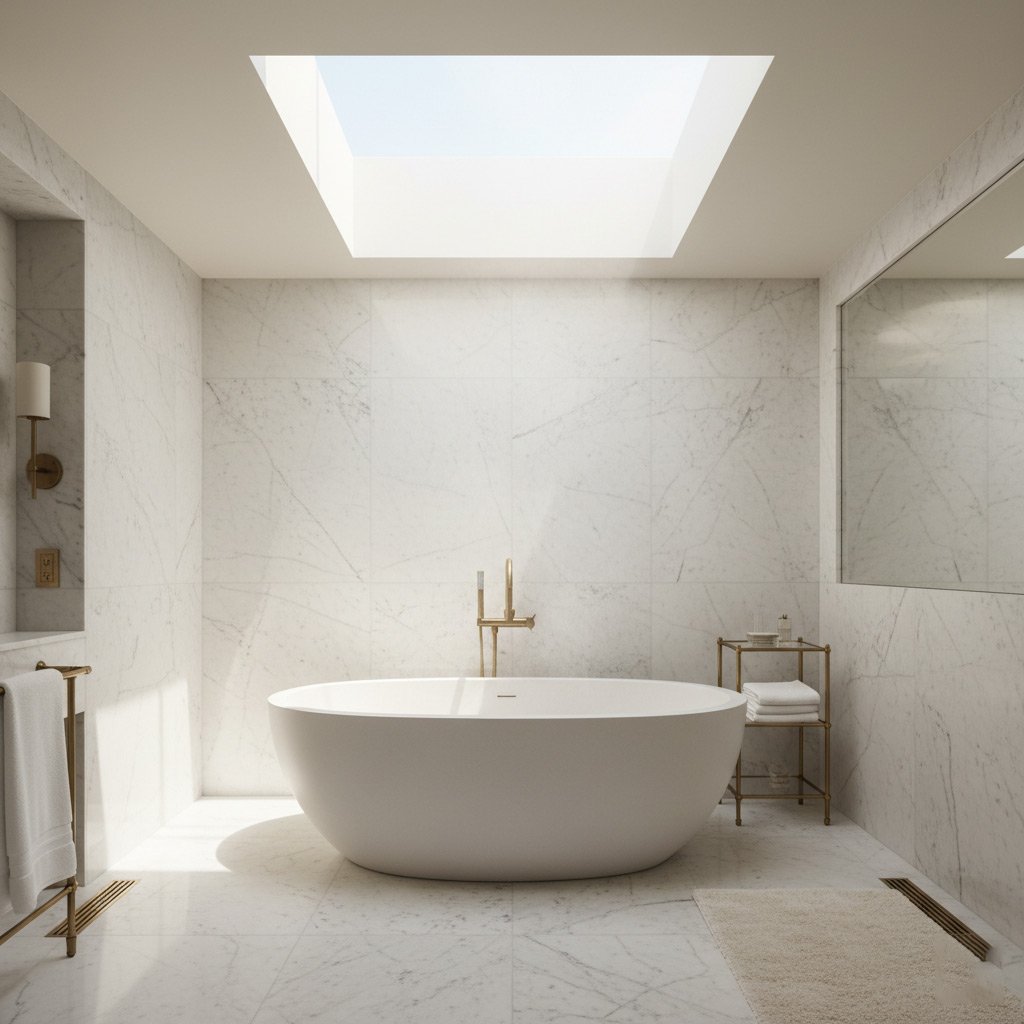
When you step out of a walk‑in tub, the floor should feel like a solid handshake, not a slippery slide. Porcelain tiles with a matte finish or textured ceramic are budget‑friendly choices that hold up under Yuma’s heat.
For a spa‑like vibe, consider:
- Vinyl plank with a slip‑resistant coating – easy on the feet and simple to replace.
- Engineered stone with a brushed surface – looks upscale and stays firm under wet shoes.
- Rubberized flooring mats – perfect for the area right in front of the tub, providing extra cushion.
Accessibility Must‑Haves
Safety isn’t just about the floor; it’s about the whole path to the tub. Install grab bars at the entry and exit points, and make sure they’re anchored into studs for maximum hold.
Other quick wins include:
- Low‑profile thresholds that eliminate tripping hazards.
- Lever‑style faucet handles – easier to turn for arthritic hands.
- LED night lights that guide you in the dark without harsh glare.
Maintenance and Aesthetic Balance
Choose a floor that wipes clean with a damp mop; no one wants to spend hours scrubbing grout after every soak. Sealants add protection without dulling the look.
Finally, match the flooring color to your bathroom palette. A light, neutral tone reflects Yuma’s sunshine, while a darker hue hides inevitable water spots.
Case Study: A Successful Walk‑In Tub Installation in a Yuma Residence
The Homeowner’s Goal
When the Martinez family decided to replace their aging bathtub, they wanted a solution that would let Grandma Rosa step in safely, without a helper. Their budget was tight, but they refused to cut corners on safety or style. Key objective: a walk‑in tub that fit their modest 5‑ft by 8‑ft bathroom and met Yuma code.
The Process
We started with a detailed site survey, measuring floor joists and confirming the load capacity. The plumber rerouted the existing drain to a new high‑efficiency pump, while the electrician added a GFCI‑protected outlet for the tub’s jets. The steps we followed:
- Obtain a building permit from Yuma County.
- Reinforce the floor with 2×6 joist sisters.
- Install a slip‑resistant vinyl mat before the tub.
- Seal all connections with marine‑grade silicone.
Each task was logged, so the inspector could see compliance at a glance. The crew finished in four days, well under the projected two‑week timeline.
The Result
Grandma Rosa now steps into the tub with a single hand‑grip, no fear of slipping. The family saved $4,200 by avoiding a full bathroom remodel, and the tub’s low‑flow system shaved 30% off their water bill. Word of mouth spread fast—neighbors called us, asking for the same upgrade.
Final Words
Take Action Today
Don’t let a cheap shortcut turn your dream tub into a nightmare. Get the permits, measure twice, and call a pro before you swing that hammer.
- Verify Yuma’s building code online or at City Hall.
- Choose a tub that fits your space and weight limits.
- Schedule a plumbing & electrical inspection early.
When you follow the checklist, you’ll avoid costly re‑work and keep the project on track. It’s that simple.
Need a Hand?
Our Yuma team lives and breathes walk‑in tubs. We’ll walk you through permits, layout, and the final finish so you can relax in confidence.
Ready to start? Explore our Walk In Tubs services and let us turn your bathroom into a safe, stylish oasis.
People Also Ask
What permits are required for installing a walk‑in tub in Yuma?
You must obtain a building permit from the City of Yuma and may need a plumbing permit as well. Check the local code office for specific forms and inspection requirements before starting the project.How do I choose the right size walk‑in tub for my bathroom?
Measure the available floor space and consider the tub’s dimensions, including door clearance. Choose a size that fits comfortably while leaving room for other fixtures and safe movement.Do I need to reinforce my floor before adding a heavy walk‑in tub?
Yes, most walk‑in tubs weigh several hundred pounds and require structural support. Consult a structural engineer or contractor to assess and reinforce the floor joists if needed.What type of flooring is best for slip resistance around a walk‑in tub?
Non‑slip ceramic tile, textured porcelain, or waterproof vinyl with a high slip‑resistance rating are ideal. Ensure the flooring is installed with proper waterproofing to protect the subfloor.Can I install a walk‑in tub myself, or should I hire a professional?
While DIY installation is possible for experienced homeowners, professional installers ensure code compliance, proper plumbing, and safe electrical connections. Hiring a licensed contractor reduces the risk of costly mistakes.
Yuma Bathroom Remodel brings over a decade of specialized bathroom renovation expertise to homeowners throughout Yuma, Arizona. Their team combines local knowledge with skilled craftsmanship to deliver functional and stylish spaces tailored to each client’s needs. Committed to quality and timely project completion, they help residents transform their bathrooms into lasting, comfortable retreats.
Need Bathroom Remodel?
We restore your home’s essential systems quickly and reliably, minimizing downtime and hassle. Serving Yuma and surrounding ZIPs (85364, 85365, 85350, 85341) with prompt, professional service.
Request Remodel Quote